
About Us
The Local Development Companies Network (LDCN) is a member-led network of Local Development Companies across Ireland, working together to support one another and the communities they serve through collaboration, shared learning, and agreed policy positions.
Why is a Network necessary?
Each local development company is established to support its local community, working with the people living there, and the other agencies operating there, to identify solutions to the problems the community identifies. But many problems are not caused locally, and will not be solved locally. These systemic problems will often have a national root, very often relating to a policy lacuna or anomaly, and so in working together as a Network, a local development company, concerned for its community, can amplify these concerns on to a national stage. LDCN then takes that message and ensures that it is evidence-based, before progressing through the various channels in which LDCN acts.
How does it work?
The Network has a series of sub-committees and fora that allows it to tease out issues, to work through challenges and to build on opportunities that arise. From front-line staff who meet through role-specific Communities of Practice, to sub-committees who focus on our research or impact agenda, all the way up to National Council, where our Member Chairs and CEOs come together to make strategic decisions for the Network, we are constantly operating with an ear to the ground, gathering up the vast extent of rich experience and expertise of the 3000 staff that are employed across this sector.
LDCN operates in a highly transparent manner – all information is shared across the entire membership, each Member plays their part in developing the sector, and we build on the shared experience we collectively bring to the table.
How is it funded?
LDCN Staff
There is a small professional staff team at the core of LDCN, working with and for our Members. They bring a wide range of skill to the sector, and are central in advancing the Members’ goals.

Máirín Ó Cuireáin
Chief Executive Officer

Philip O’Donnell
Research, Policy & Rural Affairs

Louise Rooney
Head of Communications, Impact & Programmes

Conall Greaney
Finance & Administration

Catherine Lane
Community Connection Project Co-ordinator

Hussain Bakhshi
Community Connection Project Administrator

Deirdre Kennedy
New Solutions Social Innovation Hub – Project Lead

Samantha Machado
New Solutions Social Innovation Hub – Project Officer
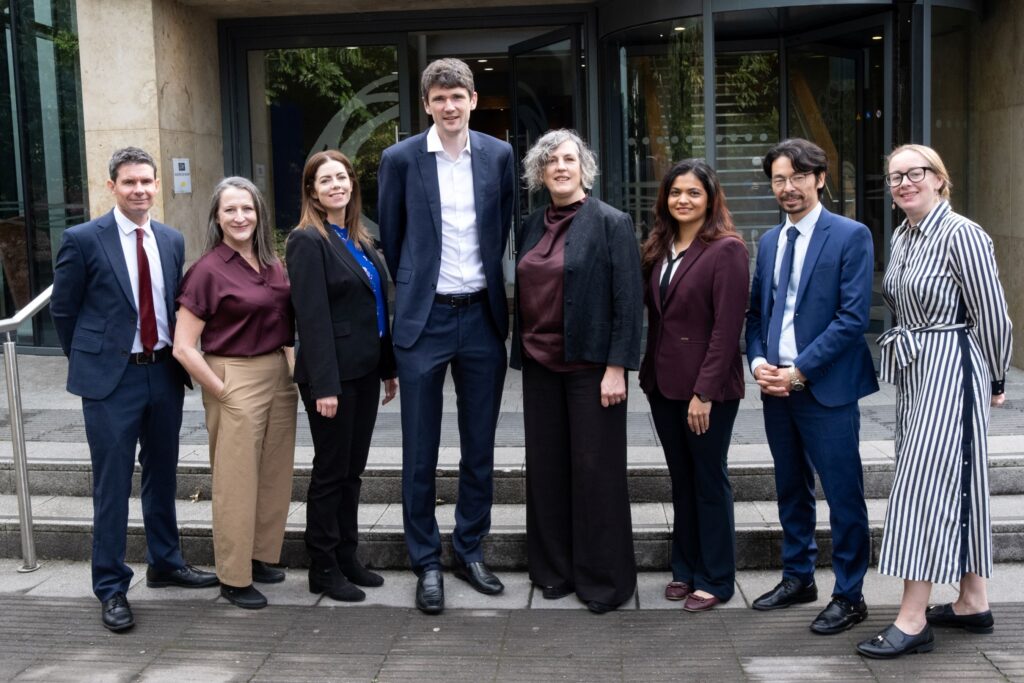
Our Board
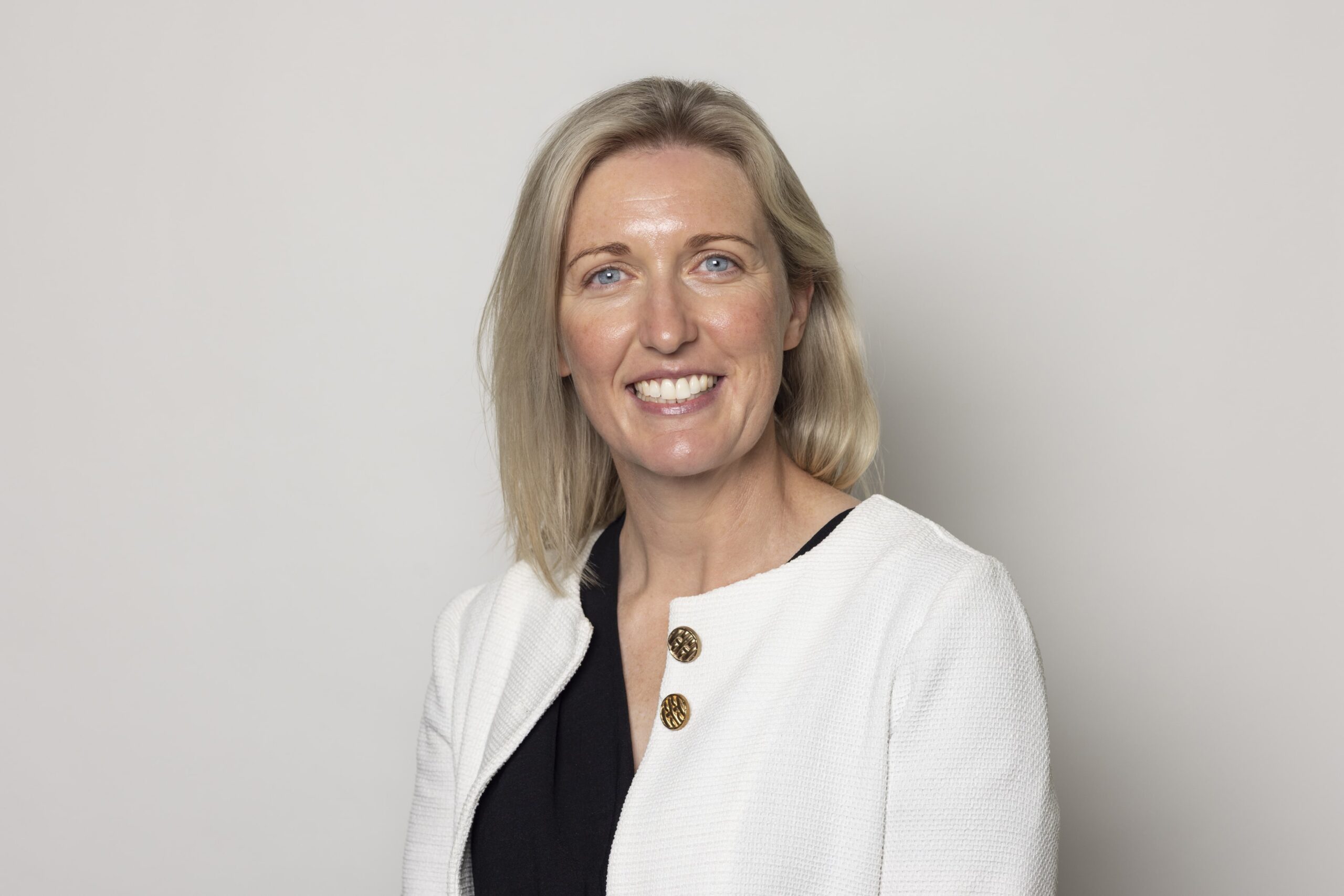
Eilish Harrington
Fingal LEADER Partnership
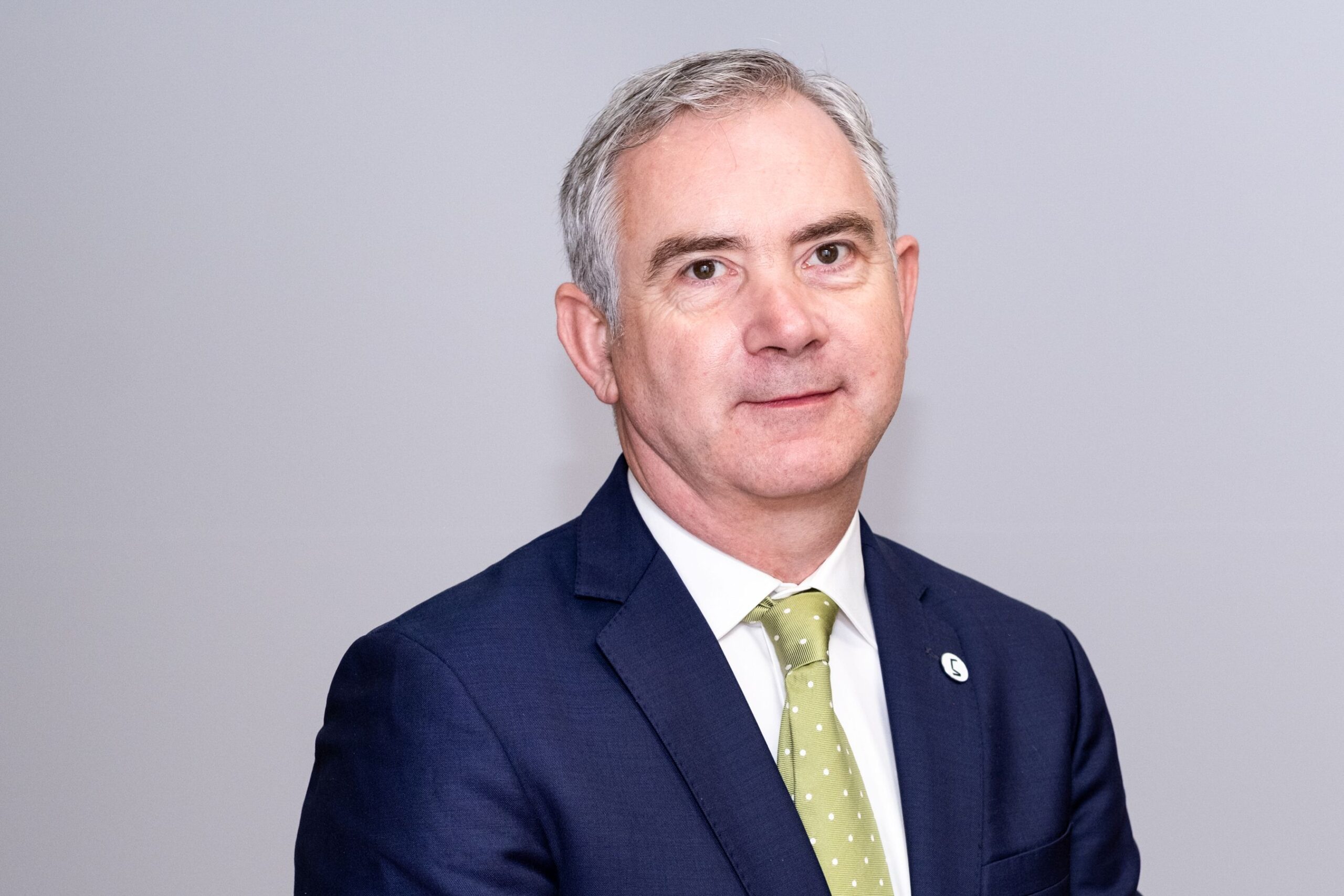
John Feerick
Sligo LEADER Partnership
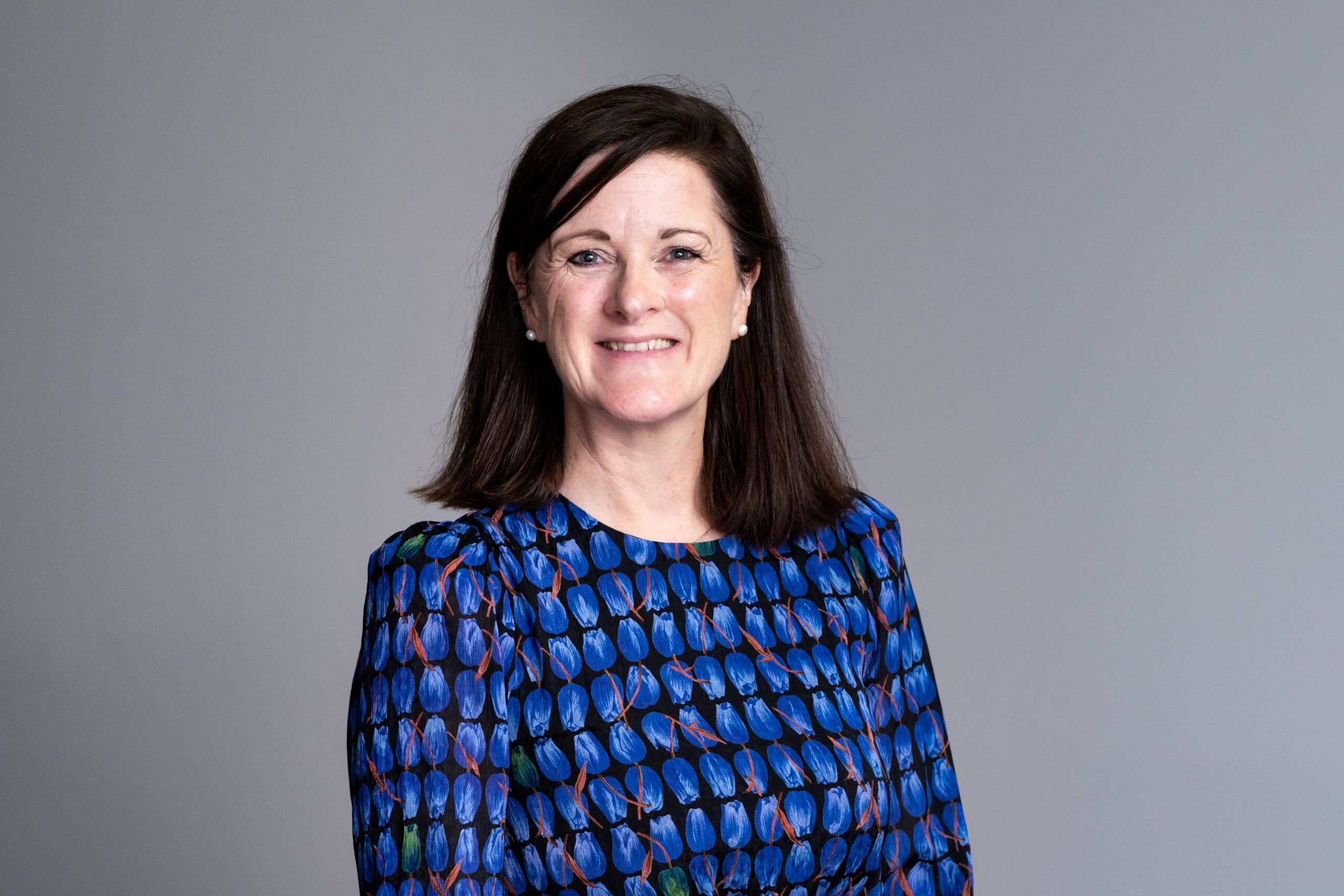
Sabina Trench
South West Mayo Development Company

Anne Fitzgerald
Liffey Partnership
Brian Kehoe
Wexford Local Development
Isabel Cambie
South Tipperary Development Company

Mary Mullen
Monaghan Integrated Development

Sean Lavery
Chair of LDCN and Chair of West Limerick Resources

Arran White
West Cork Development Partnership
Linda Sice Brogan
Galway City Partnership
Anne Maria Bourke
IRD Duhallow

Noel Wardick
Dublin City Community Co-Op
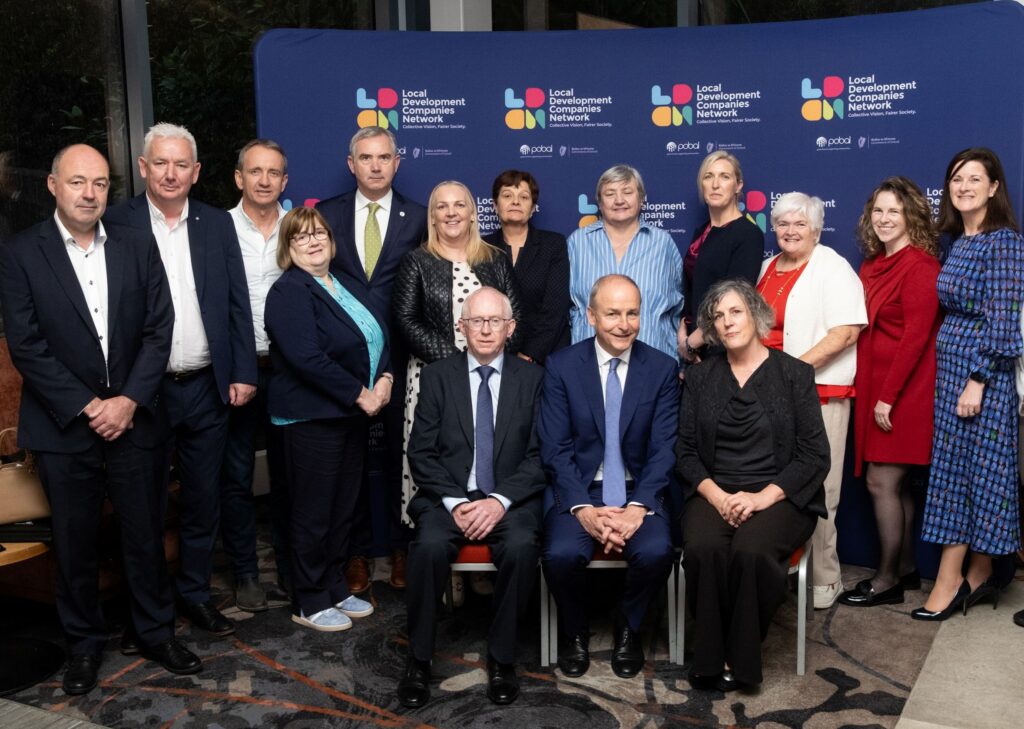
Working in partnership with LDCN
LDCN represents the local development sector on in excess of 40 national structures. For these various committees and steering groups, having LDCN on board brings certain assurances:

The LDCN representative is informed – through internal systems, linking all the way to frontline staff experience in our communities

The LDCN representative is accountable – all of our reps feed back to the broader membership so the communication is two-way
LDCN operates a keen policy agenda, seeking out opportunities to contribute to policy development, whether through responding to calls for submissions, or proactively highlighting issues we ourselves identify. Every submission or paper produced by LDCN is grounded in experience and evidence: we pride ourselves on high quality evidence-based work, which inform our positions, and are agreed by our Members.
What are
Local Development Companies?
Operating in every county and main urban centre of Ireland, each LDC is governed by a voluntary board that brings together local residents, community and voluntary groups, social partners, and public‑sector agencies. This blended governance model ensures that the voices of those who live and work in an area are represented alongside the statutory bodies that shape wider policy.
Why do they exist?
Every community has its own strengths and its own challenges. Some barriers to opportunity are highly local – perhaps a rural village has limited transport links, or an inner‑city estate needs safe recreational space. Others, such as long‑term unemployment or climate resilience, are national in scale and require coordinated action. LDCs bridge that gap.
By listening on the ground and working in partnership with state departments, they help to adapt national programmes to local realities, while also channelling grassroots experience back to policymakers. The result is solutions that are practical, evidence‑based and genuinely community‑owned.
What do they do?
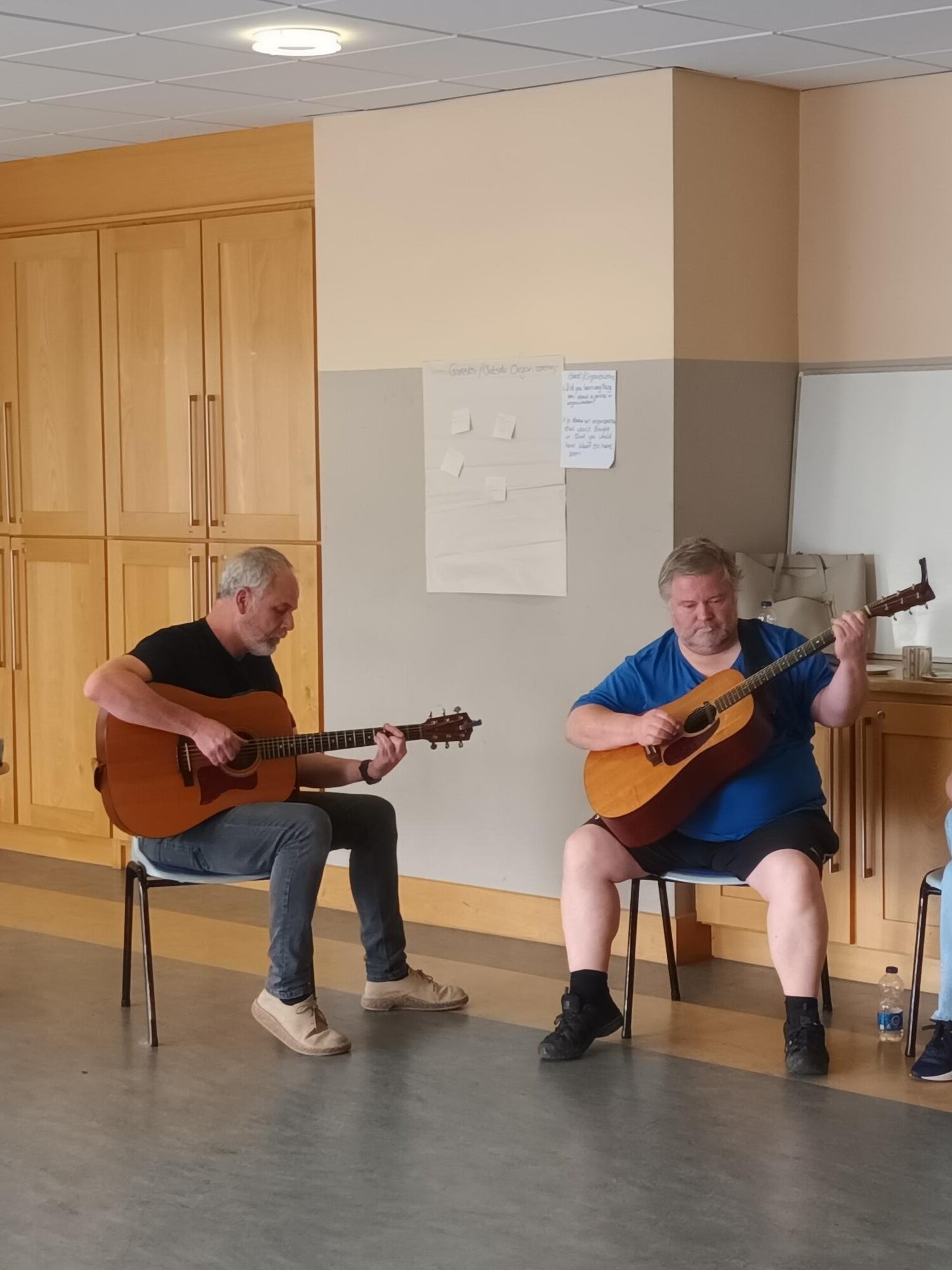
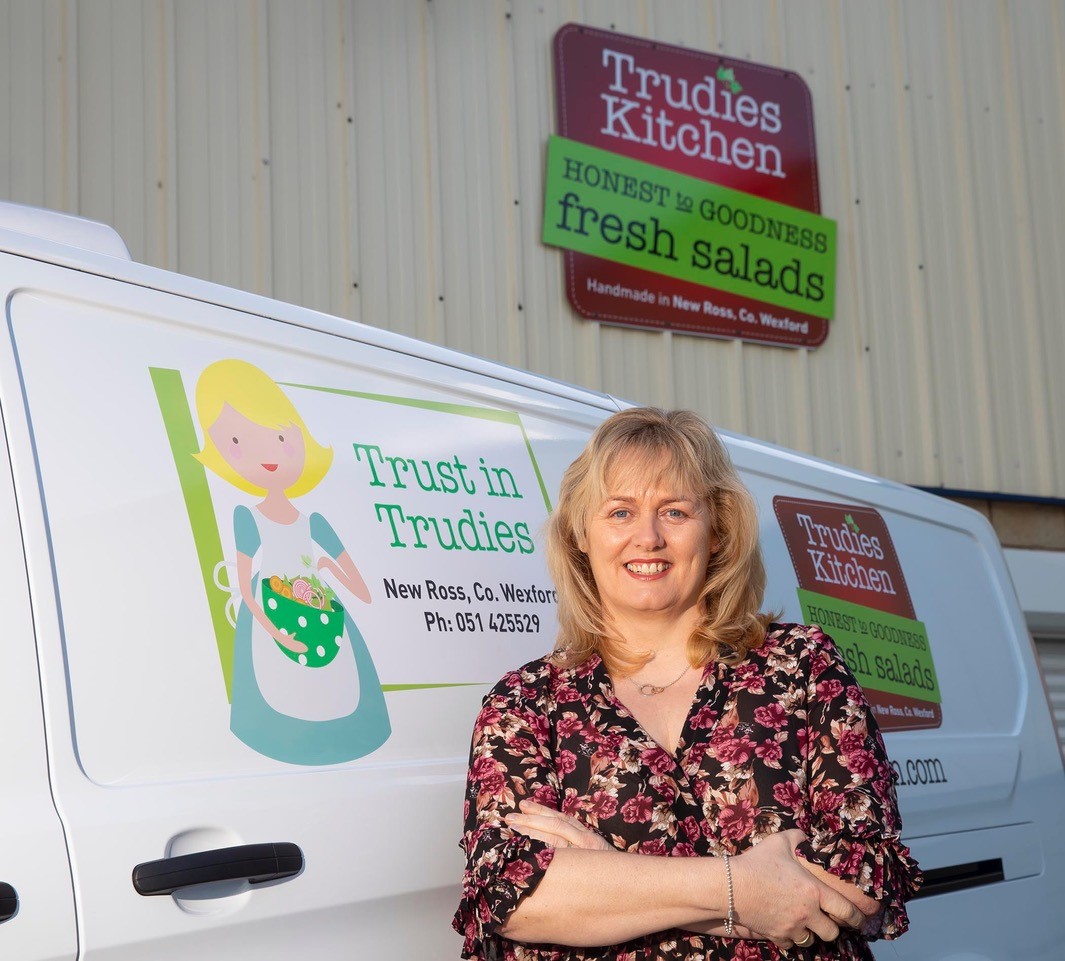
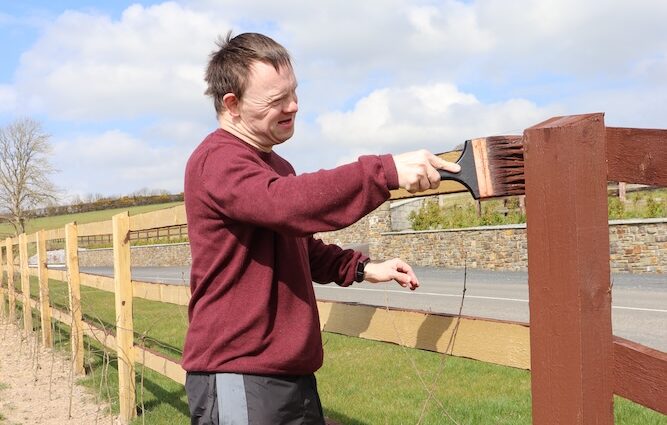
LDCs deliver a broad portfolio of programmes, including SICAP (social inclusion), LEADER (rural development), enterprise supports, training and up‑skilling, social farming, Tús and Rural Social Scheme placements, environmental projects, and initiatives that improve health and wellbeing.
Front‑line staff – development officers, enterprise advisers, outreach workers and tutors – engage daily with individuals, community groups and small businesses, providing tailored guidance that moves people towards employment, education, start‑up funding or wider civic participation. Because these services sit side by side within one organisation, clients experience a seamless pathway rather than a maze of separate schemes.
How do they work?
Transparency and collaboration define the LDC approach. Regular community consultations, needs analyses and impact reviews keep programmes responsive and accountable.


What is Local Development?
Local development is about people, place, and potential. It is a community-led approach to addressing the social, economic, and environmental needs of a particular area, recognising that those who live and work in a place are best positioned to identify its challenges and shape its future.